
On July 29, 2024 I performed star image testing on two different lenses. To shorten the testing time the testing used two different cameras. Goal was to determine the best f-stop for each lens when taking images of the night sky. Location chosen was PonyExpress DarkSky Viewing 1 (40.218634, -112.193040), which wasn't as dark as I would have liked.
The first setup was the Nikon Z8 with the NIKKOR AF-S 20mm f/1.8G ED lens. The FTZ II adaper was used to adapt the F-mount lens to the Z-body. I've been using this lens attached to a Nikon D810 for years. As memory serves, I've only used it at f/2.8 for nightscapes.
The second setup was the Nikon Z6II with the NIKKOR Z 20mm f/1.8 S lens. This is my new nightscape photography setup. So far, I've only used it at f/2.8 but wanted to see if I could let in more light by opening it up.
Both lenses were tested at f/1.8, f/2.0, f/2.2, f/2.5, f/2.8, and f/4. The upper right corner of the images were then viewed looking for the quality of the shape of the stars. The cropped upper right corner of each photo is displayed below. Note that I have adjusted the exposure of each in post processing.
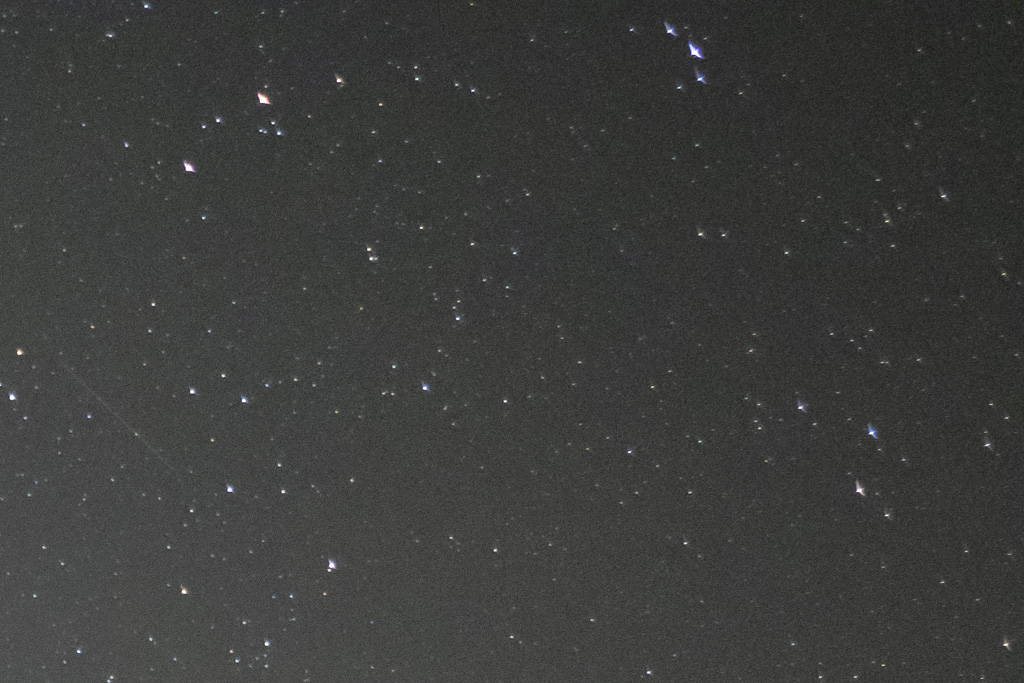
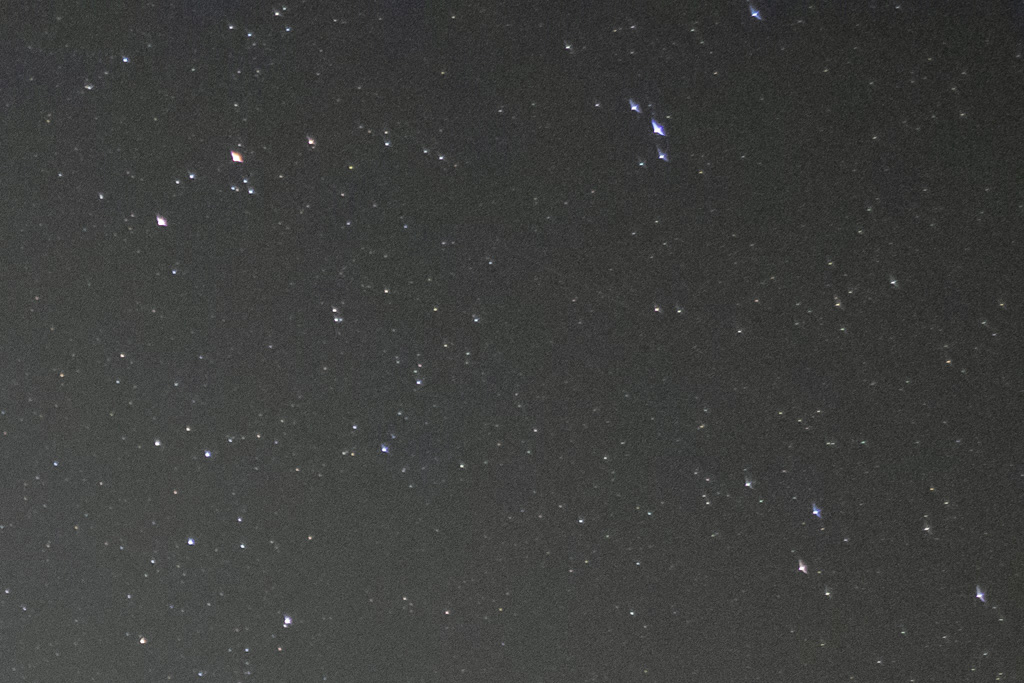
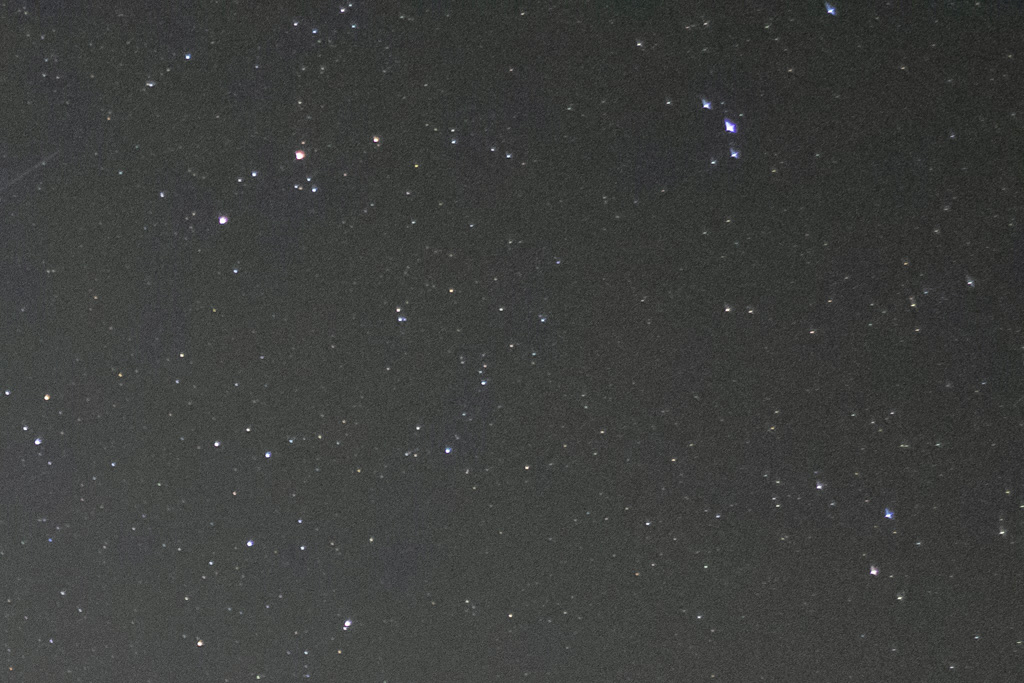
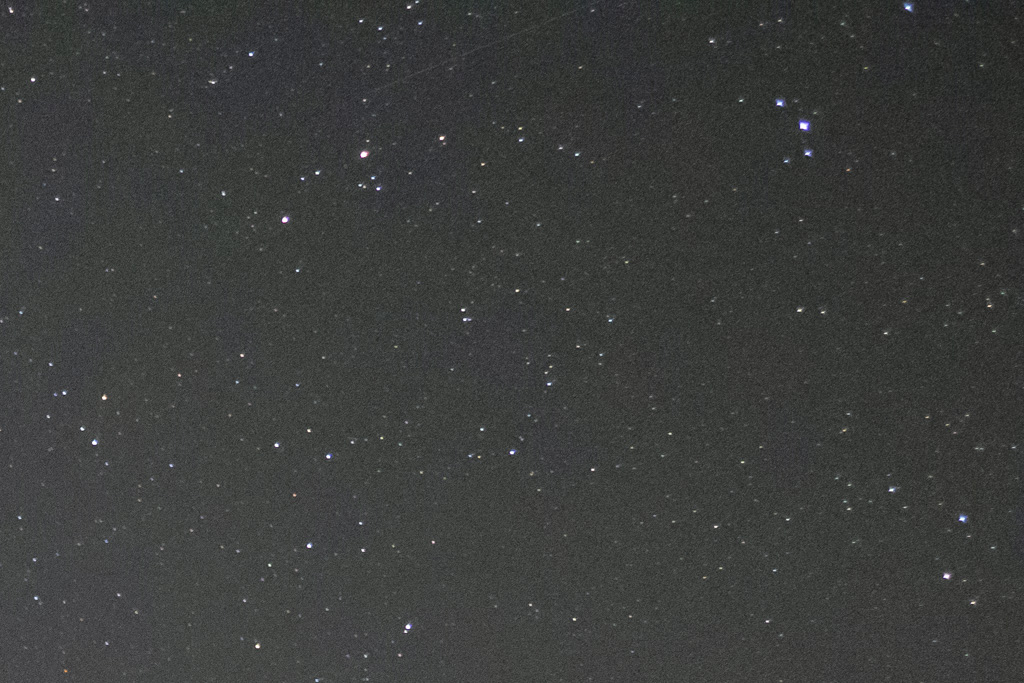
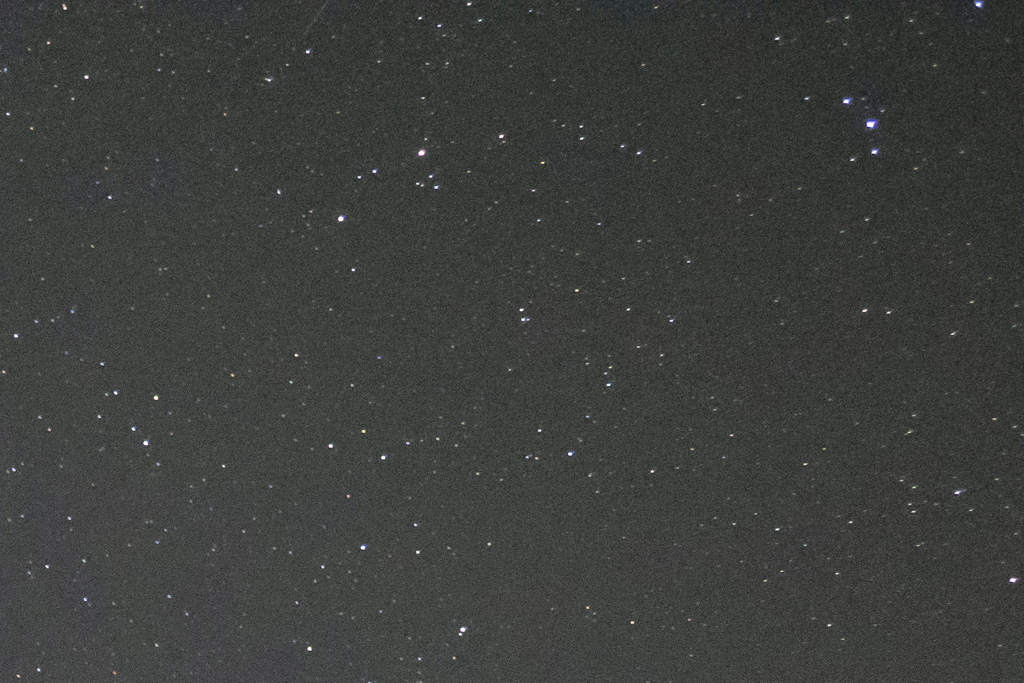
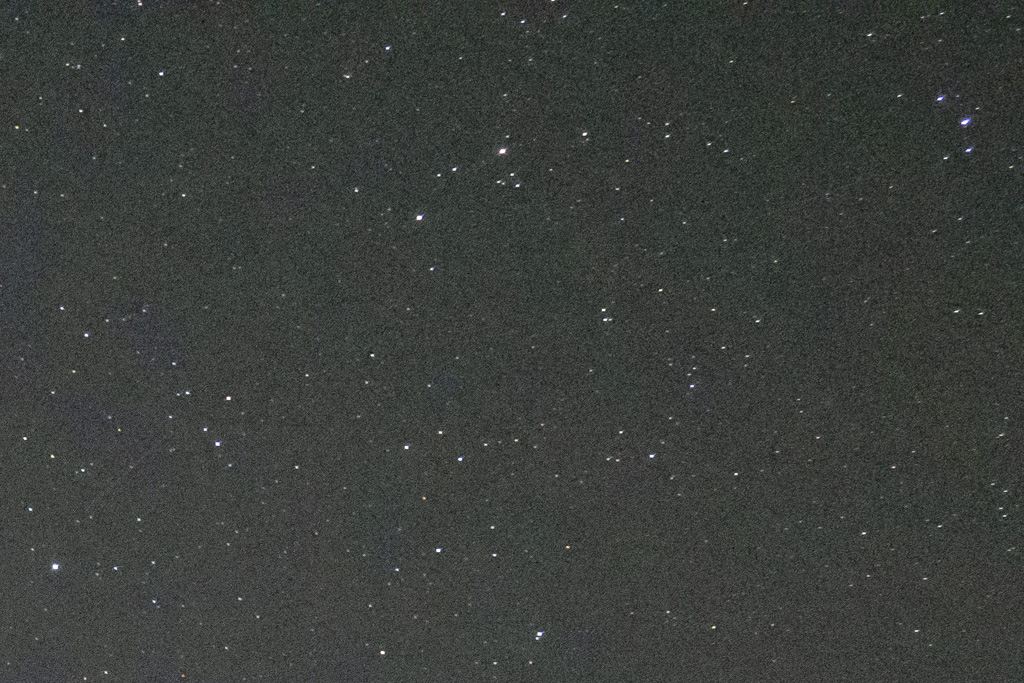
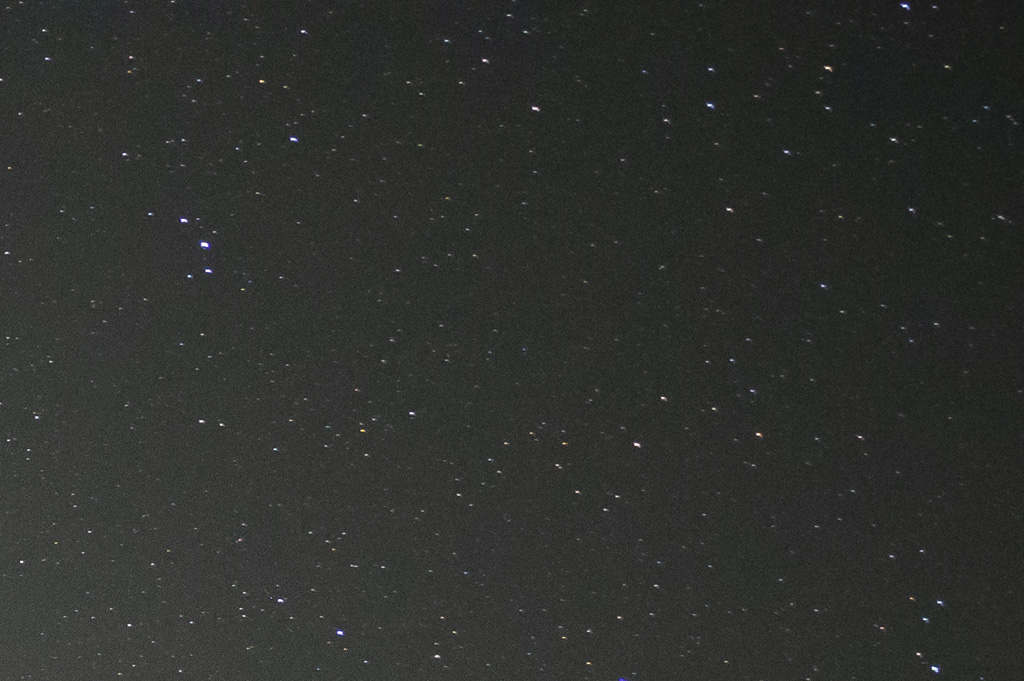
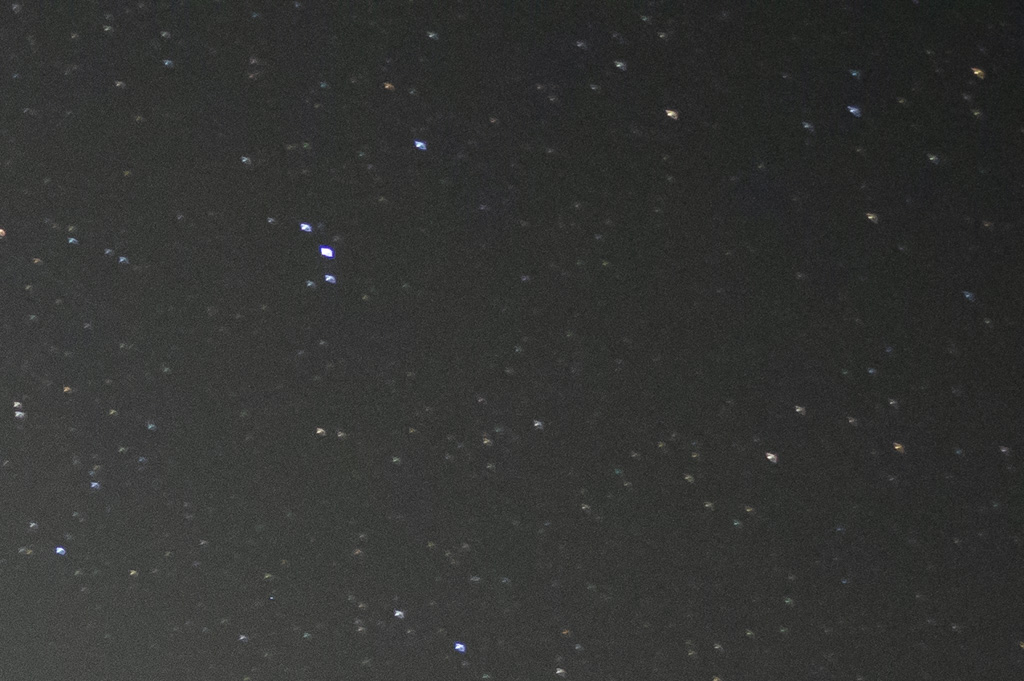
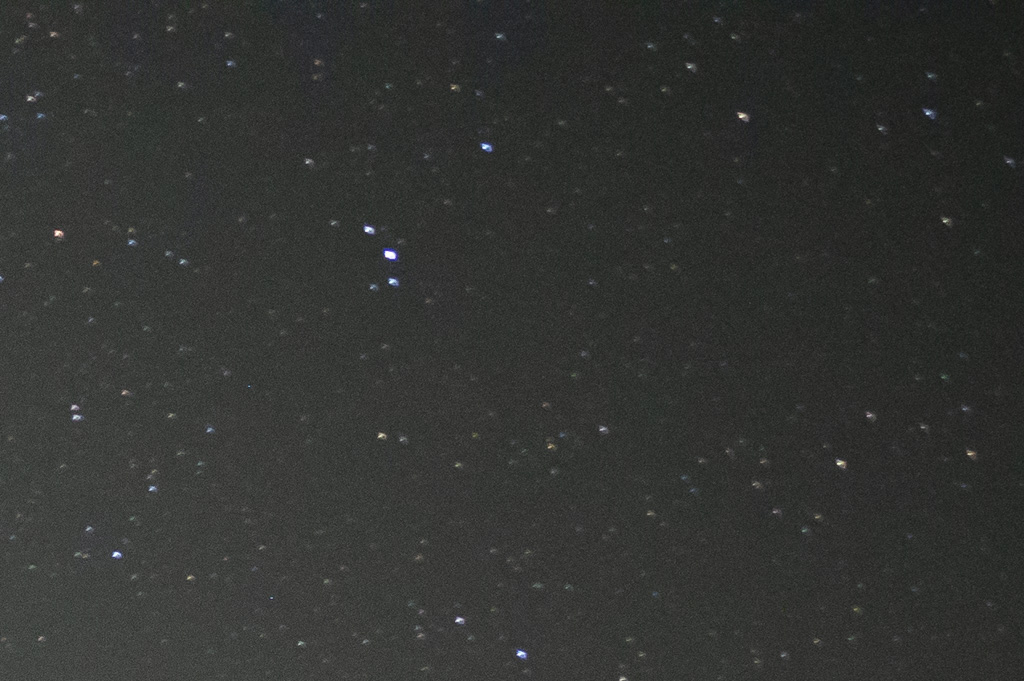
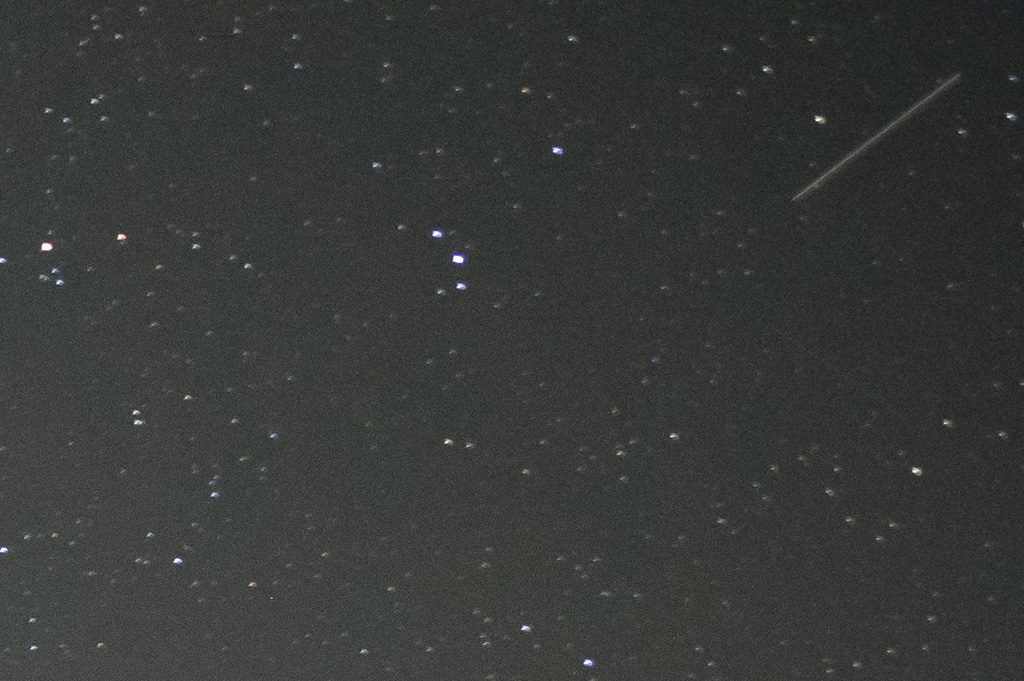
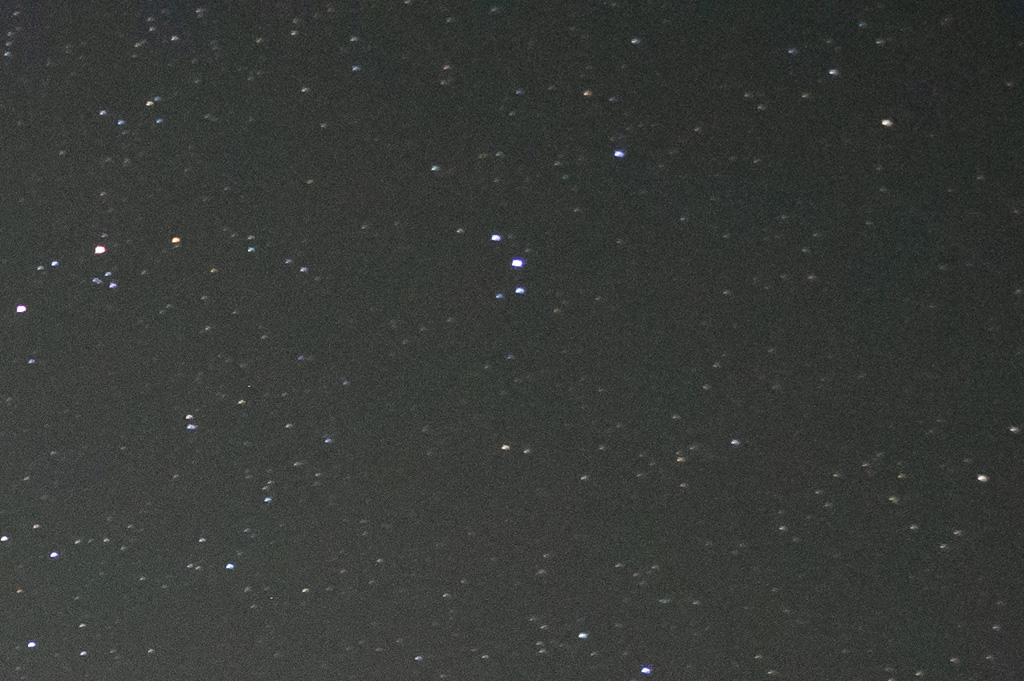
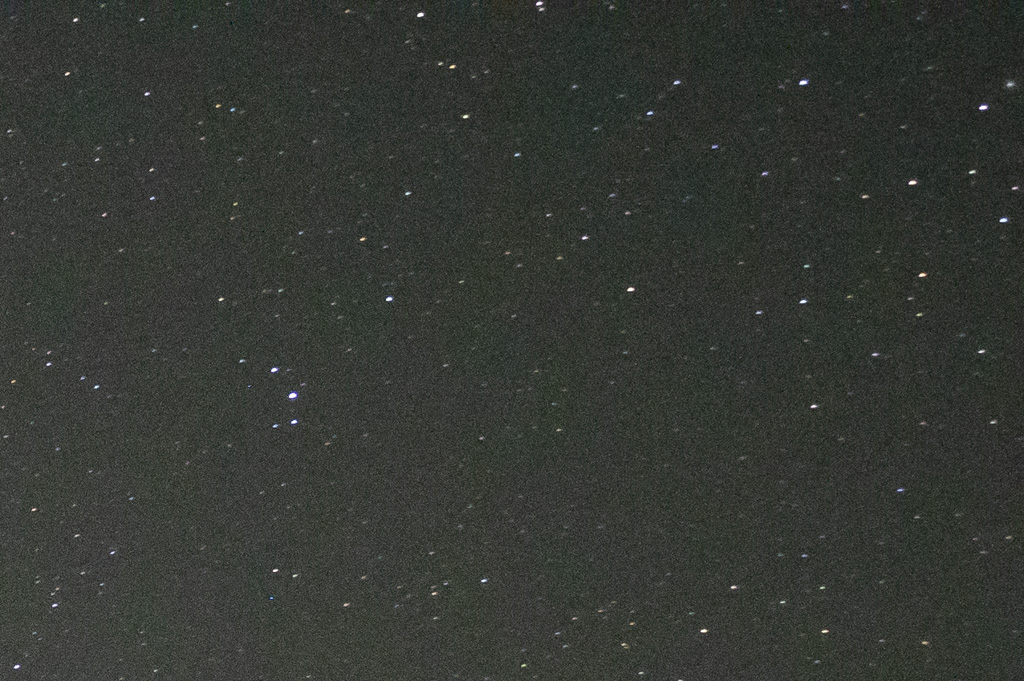
I found that the Z-mount version of the 20mm lens performed much better than the old F-mount version. Although I did find it more difficult to get tack sharp focus with the Z-mount lens. The Z-mount lens is usable at f/1.8 but f/2.0 and f/2.2 have noticable coma. f/2.5 and f/2.8 are good.
The F-mount lens shows unacceptable coma at anything wider than f/2.8. I'll continue to shoot this lens at f/2.8 for non-tracked images and f/4 when tracking.
Although I found the Z8 quite usable for nightscapes I much prefer the Z6II. The Starlight View on the Z8 is not usable. Maybe it is a good feature for shooting cityscapes after dark, but I didn't find it helpful for nightscapes. The lit buttons on the Z8 is very helpful. On the Z8 I use the color (Red) focus indicator, Focus Peaking, when in manual focus mode. It is very helpful in the daylight, but is a nighmare in the dark. When digitally zoomed in the red indicators covered the stars. My fingers are used to finding the buttons and dials on the F-body cameras and I struggled in the dark locating buttons and dials on the Z-body cameras. I clearly need more time with them in the dark.
I think that I'm going to try this again swapping the lenses on the two bodies. I don't expect the results to change. I'm also going to explore other ways to focus on the stars to see what the Z-body cameras are capable of.
For the second night of testing the lenses were reversed. Z Lens on Z8 and the F Lens on the Z6II. The Z lens that looked good at f/1.8 on the Z6II camera didn't perform any better on the Z8 than the F Lens did. So, I guess that size does matter. The Z6II is a 24.5 megapixel camera and the Z8 is 46 megapixels. The F Lens on the Z6II performed no better than it did on the Z8 a couple of days earlier. No, I can't explain.
Other discoveries that I made that night regarding the Z8 include: 1) I can't use the Carson LumiLoupe to fine tune the focus on the Z8. As soon as the loupe touches the screen it goes dark even though I had the touch feature turned off. Further testing needed. 2) Focus Peaking (a13) doesn't work well for focusing on stars, easier to manually focus the stars without it. 3) Starlight View (photo Lv) (d10) works well for setting up your composition but needs to be turned off before performing star focus. I have Starlight View assigned to Fn3 so it is quickly turned on/off. 4) RED (Warm display colors) (d11) wasn't helpful. Even when turned up to +3, max bright, it was too dim for me.
I'm still happy with my choice of the Z6II body and NIKKOR Z 20mm f/1.8 S lens for milky way photography. The Z8 is a spectacular wildlife camera and works well for landscapes. In the future I'll be leaving the Z8 home when I go after the milky way and other nightscapes. The Z8 works fine for the milky way but I much prefer the Z6II. The sweet spot for nightscape cameras seems to be around 24 megapixels for better light gathering and reduced noise.
I've been reading and watching reviews of the new Nikon Z6III. It has a partially stacked sensor that seems to cut back on the dynamic range a bit. Too early to tell if the Z6III will be as good as or better than the Z6II for nightscapes. I'm waiting to see what Richard Tatti has to say about the Z6III. Richard has two Z6IIs, one is astro modified. He recently picked up a Z6III.
UPDATE 8/2/2024 - Richard Tatti just released his Z6III review. Click here to watch.
UPDATE 1/2/2026 - I just found an old Richard Tatti review of these two lenses. Click here to watch.
UPDATE 1/4/2026 - Michael Ver Sprill's, Milky Way Mike, review of the lens. Click here to watch.
UPDATE 1/4/2026 - ZWade Photo's review of this lens and the 24mm version. Click here to watch.
UPDATE 1/4/2026 - Ken Rockwell review of Nikon Z 20mm f/1.8 S lens. Click here to watch.
UPDATE 1/4/2026 - And the best comparison that I've seen between the two lenses. Click here to watch.
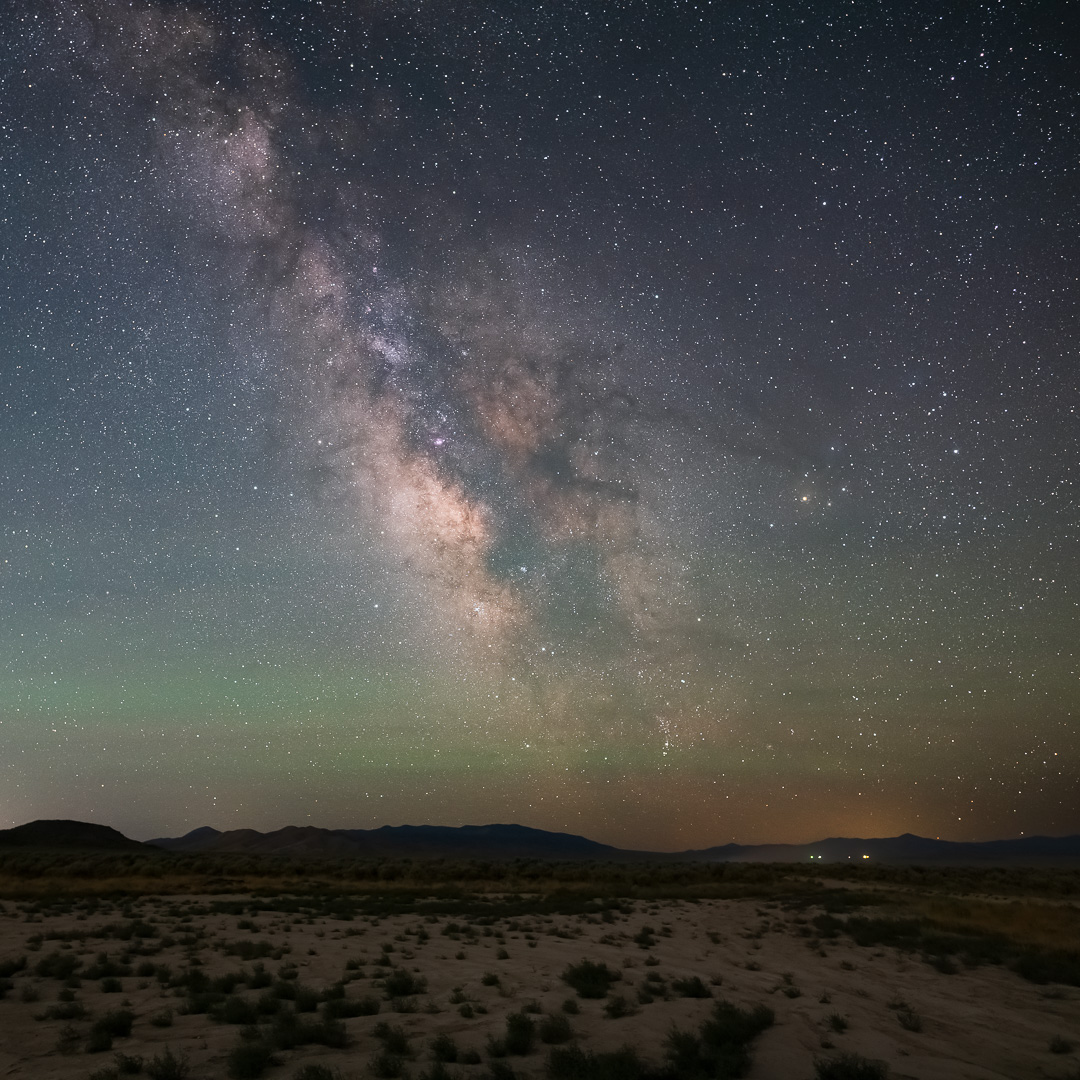
Fifteen images stacked in Sequator and edited in Adobe Lightroom. Effective shutter speed is 120".
Checkout my social media links below, especially the Adobe Portfolio "Pf" link.
© Copyright 2022-2026 by Jerold R. Thompson, all rights reserved